Adaptations
Other than communication, the environment which the mental capacity assessments take place is just as crucial to provide clients with the optimal environment to perform during the assessments.
In our assessment environment, we prioritize creating spaces that are accessible and accommodating to diverse needs. This includes ensuring physical accessibility for clients with mobility changes, minimizing sensory distractions to maintain focus and attention, and providing a comfortable and safe setting that promotes relaxation and ease.
By addressing these environmental considerations, an inclusive space is created where every client feels supported to participate fully in the assessment process.
Types of Seating Orientations
-
Face-to-Face
Optimal for developing a strong therapeutic alliance during conversational history-taking.
-
Side-by-Side
Ideal when completing questionnaires, though it may affect personal space perception.
-
Intermediate Distance
Clients prefer a distance of around 50-60 inches for comfort and engagement.



Quiet Room: free of distractions, allowing clients to focus on assessment tasks.
Limiting Visual and Auditory Distractions: reduces sensory overload and enhances client concentration.
Reduction of Stress Triggers: minimizes distractions and stressors improves client engagement.
Consider Space and Sensory Overload
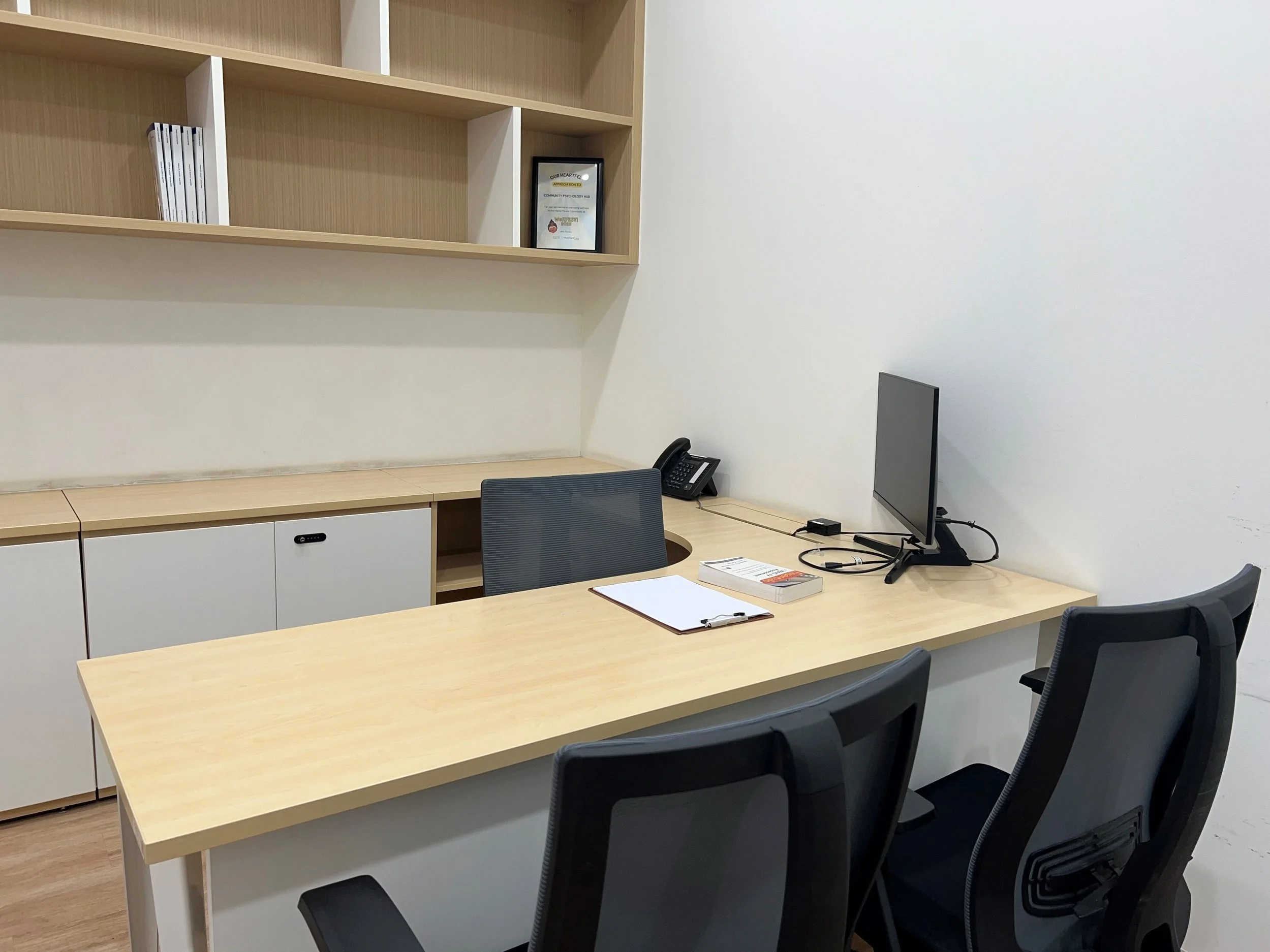
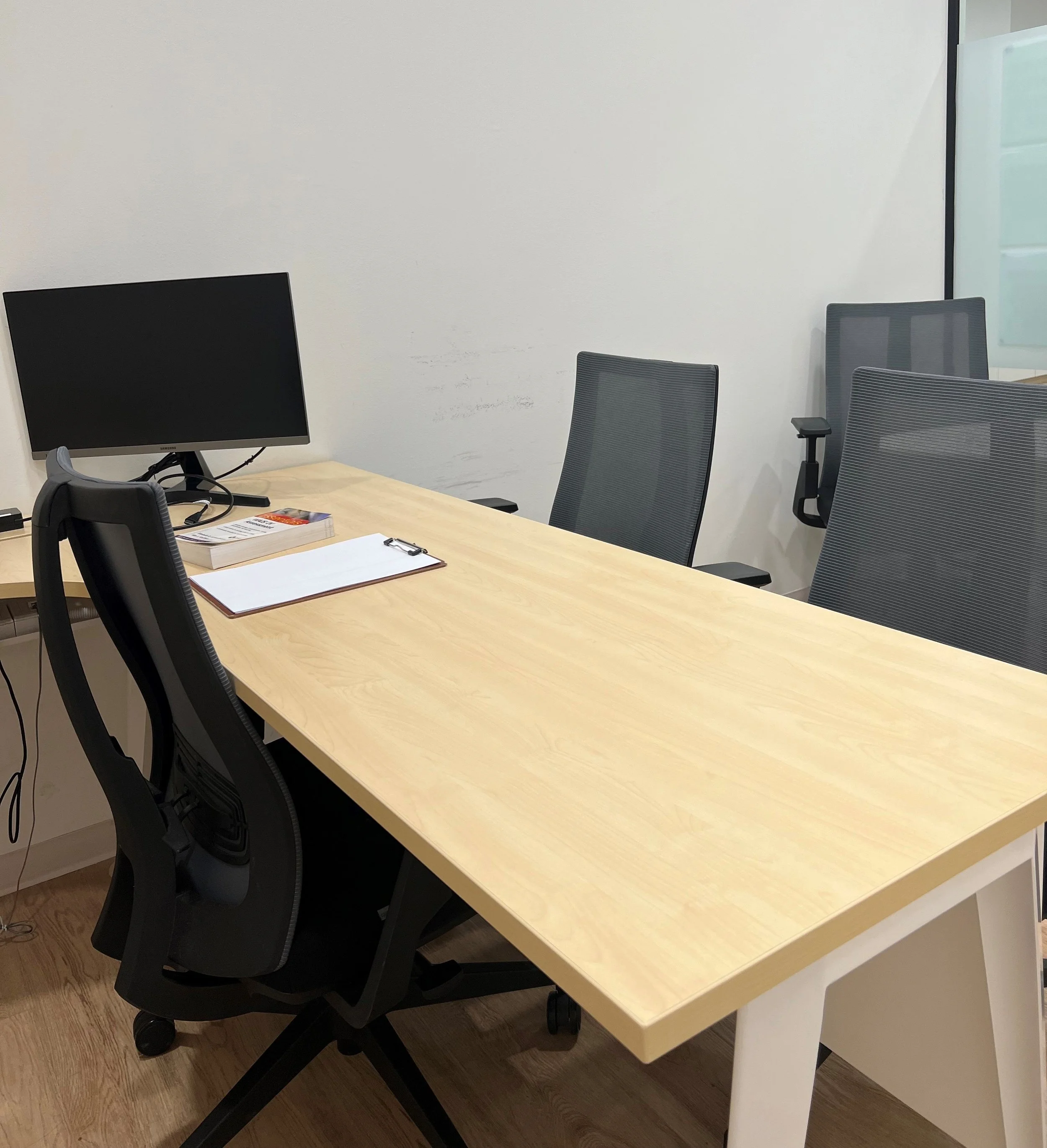
Creating an optimal assessment environment involves careful consideration of seating position, space, and environmental factors. By prioritizing comfort, minimizing distractions, and ensuring a safe and neutral setting, assessors can facilitate more accurate and meaningful assessments.