Adaptations
Collaborating when attending to a person with special needs yields myriad benefits. It fosters a holistic approach, combining diverse expertise to tailor interventions effectively. Collaboration enhances resource pooling, maximizing access to support services and adaptive technologies. Through constant collaboration and communication amongst all parties involved in the care of the client, clients will not only be able to receive comprehensive and tailored care, there will be a readiness when it comes to preparation for potential unforeseen circumstances which may arise at any point in their interaction with the client.
-
![]()
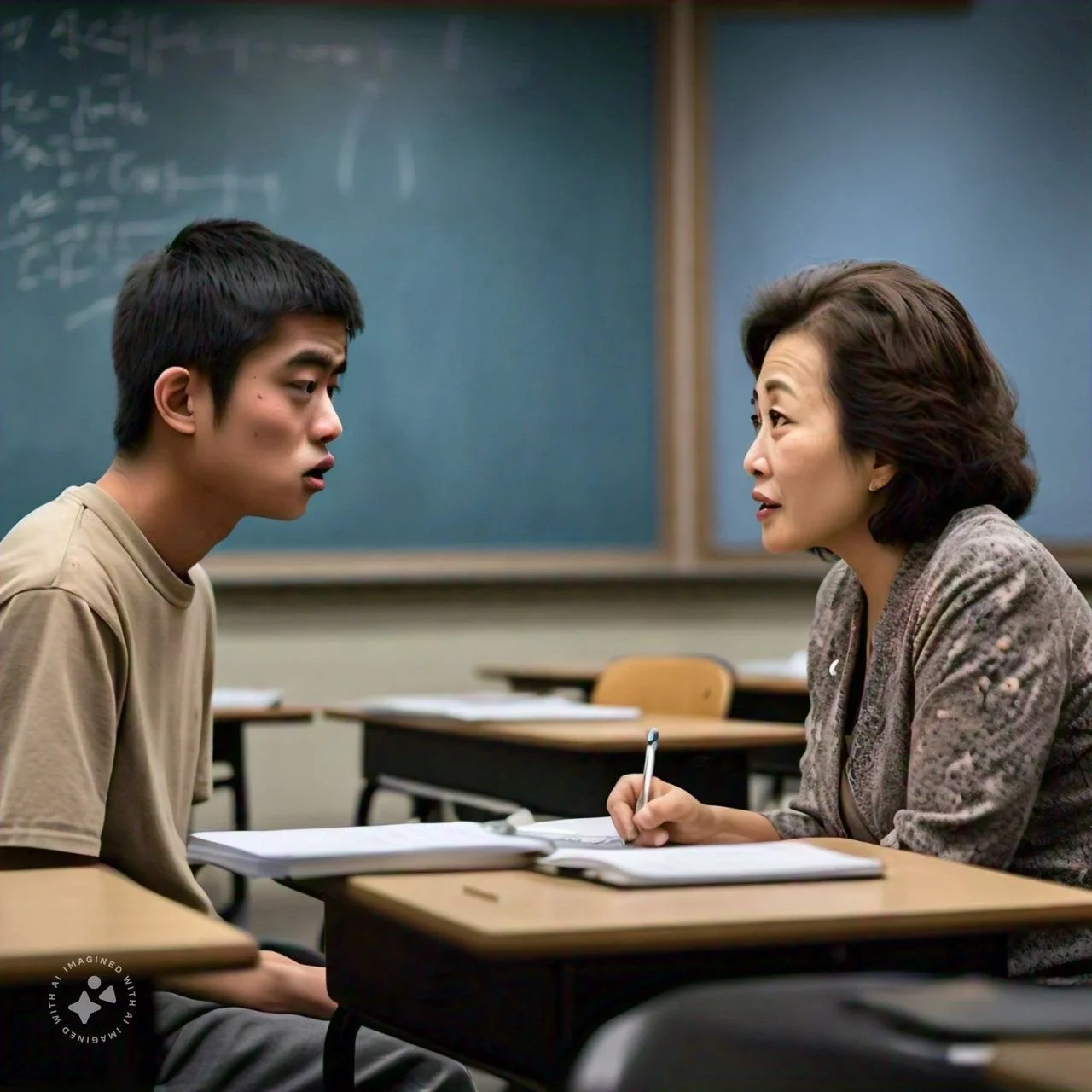
Teachers
Teachers can provide insight on the client’s daily behaviours and interaction with peers. They are also able to provide feedback and information regarding the client’s preferences and behaviourisms in context-specific situations.
-
![]()
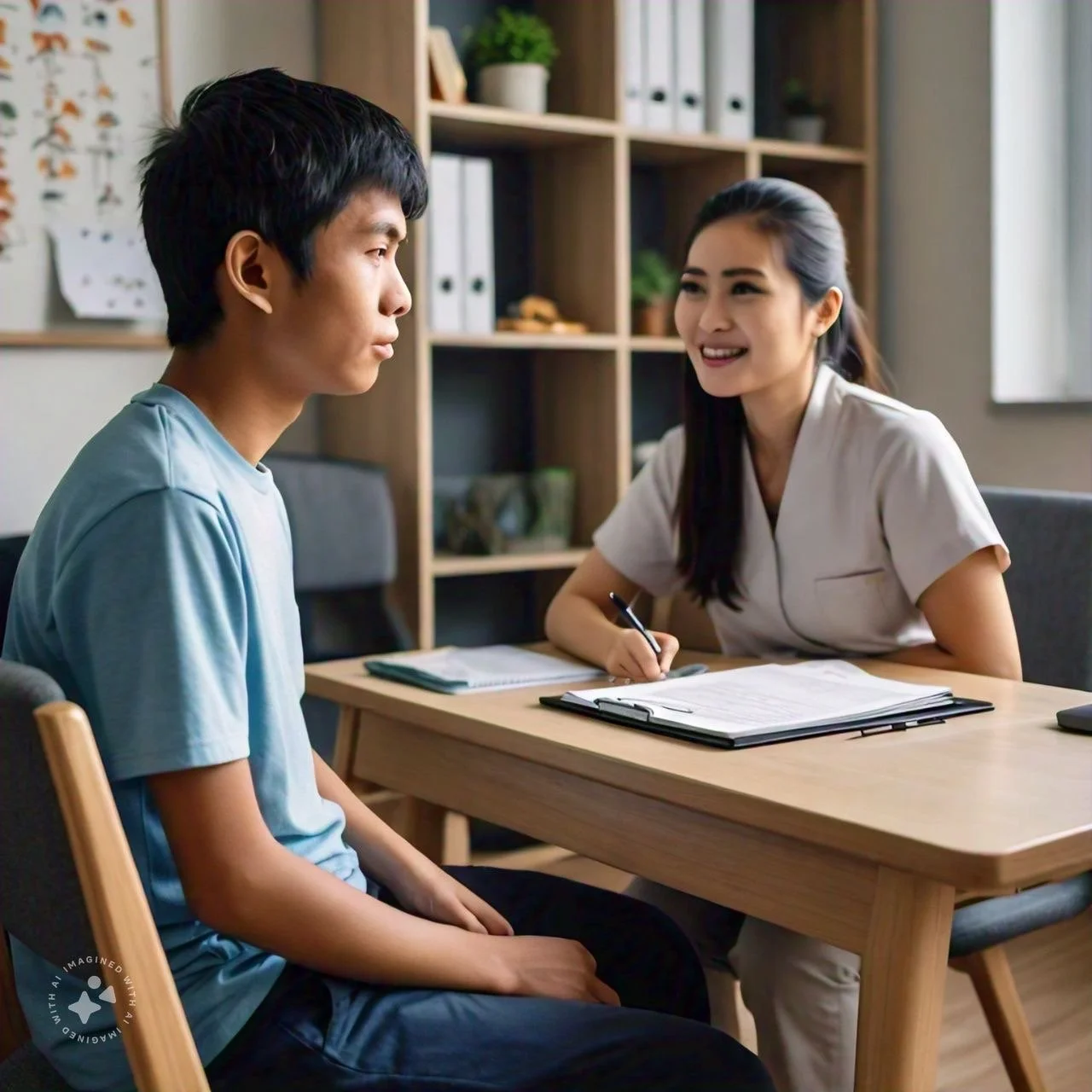
Speech-Language Therapists (SLTs)
SLTs are able to provide aid clients in communicating sufficiently during the assessment, and at times even communicate on behalf of the client.
-
![]()
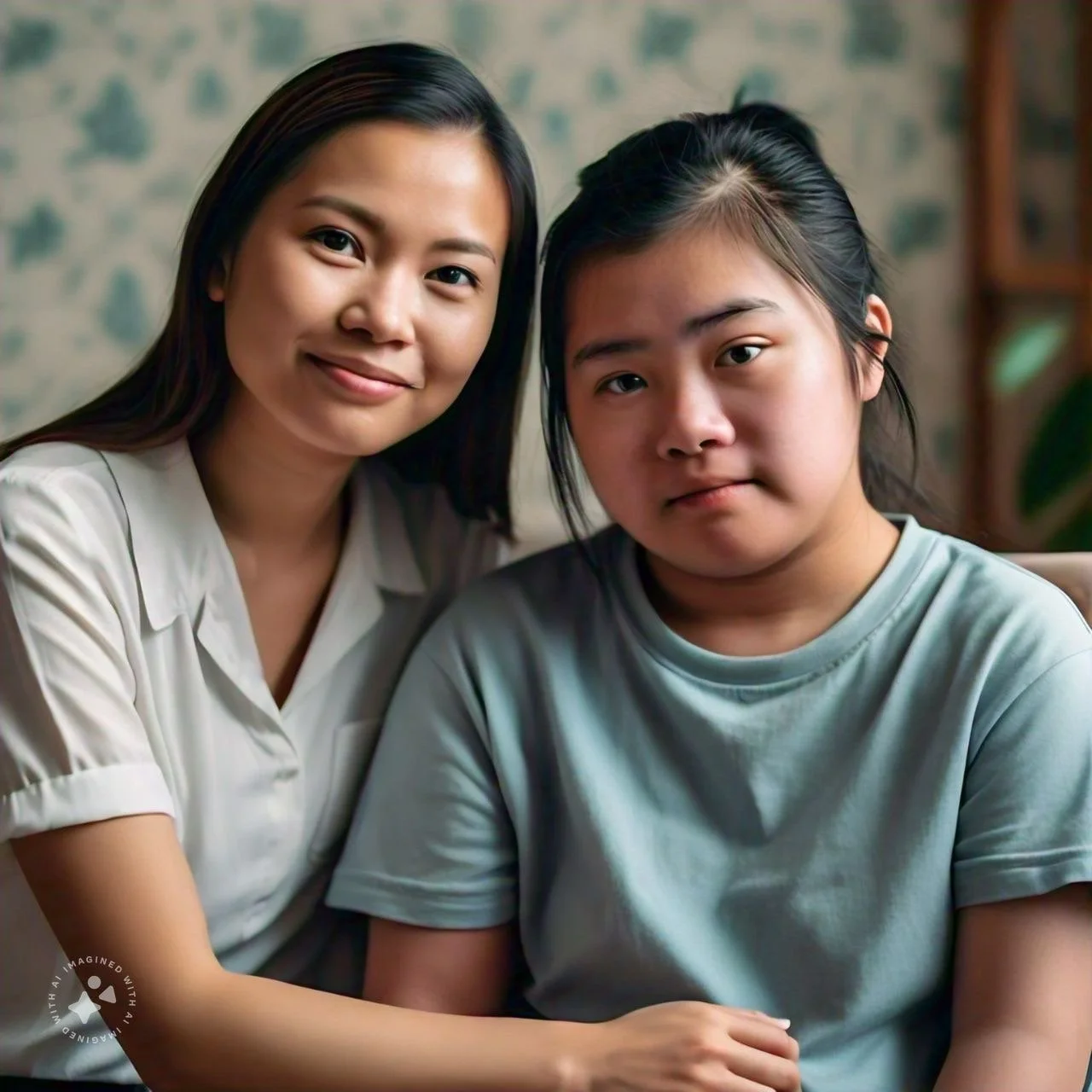
Caregivers
The presence of a caregiver can alleviate the potential distress that the client may undergo during the assessment. Caregivers can also provide information regarding the client’s behaviour at home, as well as their behavioural tendencies and interaction with family members.
Example of information that can be gathered
1. Communication skills
2. Daily living skills
3. Social skills
4. Self-regulation skills
5. Problem-solving skills
6. Supports and strategies
Client Collaboration
When conducting an assessment, a good rapport with the client is essential. In situations where your client does not feel comfortable with revealing information or expressing themselves, involving a professional or family member whom they share a close relationship with may help your client to feel more settled.
A point to think about: How would you discern when to include, or exclude other persons in your assessment sessions?